Categories
News

ACi Launches Industry-First Certified Corporate Investigator (CCi) Course

Association of Corporate Investigators Launches Industry-First Certified Corporate Investigator (CCi) Course

Comprehensive 19-Module Certification Addresses Critical Gap in Professional Standards for Global Investigations Community

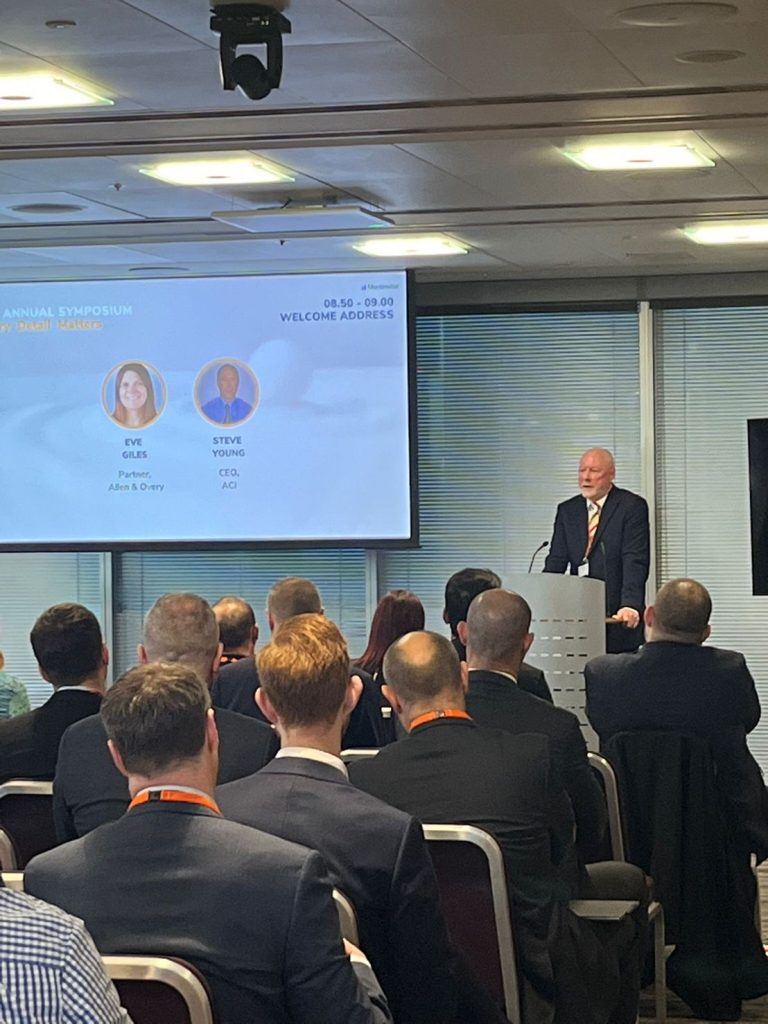
London, UK โ€“ 1 December 2025 โ€“ The Association of Corporate Investigators (ACi) today announced the launch of the Certified Corporate Investigator (CCi) course, the first comprehensive professional certification designed specifically for corporate investigators worldwide. The CCi was officially unveiled at the ACi Symposium held at White & Case LLP’s London offices, with the announcement made by Simon Scales and members of the ACi Executive Committee.

The launch marks a significant milestone for the corporate investigations profession, which until now has lacked a unified, globally recognised standard for training and certification. As organisations face increasingly complex investigations spanning multiple jurisdictions, involving sophisticated digital evidence, and subject to heightened regulatory scrutiny, the need for standardised investigative practices has never been more critical.

“For too long, corporate investigators have operated without the professional framework that other disciplines take for granted,” said Simon Scales at the launch event. “The CCi changes that. This certification demonstrates that we, as a profession, are committed to the highest standards of competency, ethics, and rigour in how investigations are conducted.”

Comprehensive Training for Modern Investigators

The CCi course comprises 19 modules covering the complete investigation lifecycle, from initial triage and assessment through to evidence presentation and stakeholder management. Developed by experienced in-house investigators with decades of collective expertise across all sectors, the curriculum addresses real-world challenges faced by practitioners daily.

Key modules include:

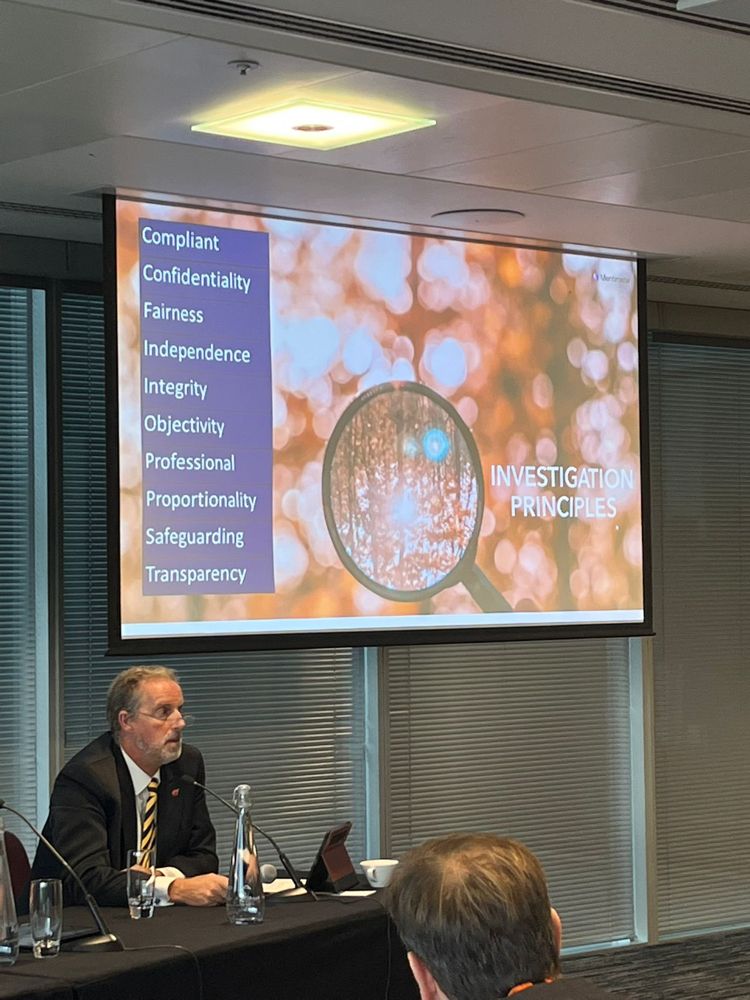
  • Investigation Principles, Governance & International Guidance
  • Investigation Policy & Procedures Development
  • Cross-Border Investigations & Multi-Jurisdictional Challenges
  • Digital Forensics, Data Privacy & OSINT
  • Investigative Interviewing Techniques
  • Investigation Reporting & Giving Evidence
  • Whistleblowing Investigations
  • Stakeholder Management & Forensic Accounting Integration

The course is delivered through a flexible, self-paced online platform. Each module combines theoretical learning with practical application through real-world case studies, interactive exercises, multimedia content, and knowledge assessments.

Addressing Industry-Wide Challenges

The ACi identified several critical gaps in the current landscape that the CCi directly addresses:

  • Lack of Standardisation:ย Inconsistent investigation methodologies across organisations lead to varying quality and defensibility of outcomes
  • Fragmented Training:ย No comprehensive educational pathway covering all aspects of corporate investigations
  • Professional Recognition:ย Limited formal credentials for investigators to demonstrate competency
  • Global Complexity:ย Cross-border investigations require understanding of multiple legal frameworks, data protection regimes, and cultural considerations

“We’ve seen too many investigations falter not because of bad intentions, but because of inadequate training and preparation,” noted Steve Young, CEO, ACi. “The CCi provides the framework, methodology, and practical skills that investigators need to conduct thorough, ethical, and defensible investigations.”

Built by Practitioners, For Practitioners

What distinguishes the CCi from general compliance or legal training is its focus on the practical realities of conducting investigations. The course draws on the Corporate Investigators’ Handbook and has been enhanced by insights from skilled in-house investigators working across all sectors, from financial services to technology, healthcare to manufacturing.

The curriculum includes:

  • Real-world case studies demonstrating complex scenarios
  • Interactive learning tools and exercises
  • Bite-sized learning segments with audio/video content for learning “on the move”
  • Regular knowledge checks and assessments
  • A comprehensive 100-question final examination

Upon successful completion, candidates receive professional certification recognised by leading organisations globally as the standard for investigative competency.

Who Should Enrol

The CCi is designed for a broad spectrum of professionals involved in corporate investigations:

  • Corporate investigators (misconduct, fraud, financial crime, regulatory, health & safety)
  • Ethics, compliance, business integrity, and risk professionals
  • HR, legal, and internal audit specialists conducting or supporting investigations
  • Consultants engaged in investigative work
  • Organisations seeking to build or strengthen internal investigation capability

No prior qualifications are required, making the CCi accessible to those starting their investigations career while providing a consistent competency framework for experienced practitioners.

Team Training and Professional Development

Recognising that investigation quality depends on team capability, the ACi offers group enrolment options with discounted rates for organisations training multiple investigators. This makes the CCi an ideal solution for businesses establishing or enhancing their investigation functions.

“The CCi certification is the ideal starting point for in-house investigations teams who want to upskill their workforce,” Scales explained. “It ensures everyone has access to the same foundational learning and can operate to consistent standards aligned with the ACi’s investigation principles.”

About the Association of Corporate Investigators

Established in 2018, the Association of Corporate Investigators is the leading independent professional body and industry voice for the global corporate investigations community. The ACi serves as a comprehensive platform for all investigative roles and activities โ€“ irrespective of sector โ€“ fostering a global community of more than 500,000 professionals.

The ACi was created to address the growing need for enhanced governance and best practices within corporate investigations at every level. At its core, the ACi is committed to ensuring that all investigations are conducted with rigour, following key principles and adhering to the highest professional standards.

ACi members include Heads of Investigations, Chief Risk Officers, Heads of Global Security, Chief Compliance Officers, HR professionals, legal counsel, forensic accountants, investigation consultants, technology providers, and those starting their investigations careers.

Enrolment and Availability

The CCi course is available to ACi members through the ACi Academy, a dedicated online learning platform. Individual enrolment is priced at ยฃ999, with group discounts available for organisations enrolling multiple participants.

For more information about the Certified Corporate Investigator course, including detailed curriculum information and enrolment procedures, visit: https://my-aci.com/aci-academy/cci/

To become an ACi member and access the CCi certification, visit: https://my-aci.com/membership/apply/

Contact Information:


EDITOR’S NOTES

About the ACi Symposium

The CCi launch took place at the ACi Symposium, an annual gathering of investigations professionals, hosted at the prestigious offices of White & Case LLP in London. White & Case, a global law firm with more than 2,500 lawyers worldwide and a leading practice in investigations and compliance, provided the venue for this landmark announcement. The Symposium brought together senior investigations professionals, compliance leaders, and industry experts to discuss emerging trends and challenges in corporate investigations.

About Simon Scales

Simon Scales serves as a key figure in the ACi leadership and has been instrumental in developing the CCi course.

Key Statistics

  • 19 Modules:ย Comprehensive coverage of investigation lifecycle
  • 30-40 Hours:ย Self-paced learning duration
  • 500,000+ Professionals:ย Global ACi community
  • ยฃ999: Individual enrolment fee
  • Since 2018:ย ACi established to raise standards in corporate investigations

CCi Course Highlights

“Superb โ€“ a fabulously high-quality course that hits all the marks. We have been waiting for this!” – Early Course Reviewer

“Extremely well-constructed and educational” โ€“ Course Participant


Categories
Articles

Whistleblowing Investigations: The Hidden Mental Health Toll

Reflections from the ACi Whistleblowing Investigations Forum

On World Mental Health Day, it feels particularly poignant to reflect on the insights shared at our recent Whistleblowing Investigations Forum. As we heard from our exceptional speakers and engaged delegates, the conversations about corporate accountability, regulatory compliance, and investigative best practices were invaluable. But beneath every case study and procedural discussion lay a profound human cost that we cannot afford to overlook.

The Whistleblower’s Journey: A Personal Toll

Yasmine Motarjemi’s harrowing testimony set the tone for understanding what whistleblowers truly endure. Her story wasn’t just about food safety failures or corporate misconduct- it was about the systematic dismantling of a professional life. When Yasmine discovered that babies were choking on biscuits, that baby formula contained ink, and that a culture of fear actively discouraged reporting, she faced an impossible choice that no professional should ever have to make.

The personal consequences she experiencedโ€”harassment, victimisation, lawsuits, blacklisting, and professional isolation – illustrate why her advice to “think twice before you report” resonates so powerfully. She asked a question that cuts to the heart of the matter: “Is the issue really worth it?” Not because the issues aren’t serious, but because the financial, professional, and social consequences for whistleblowers can be devastating.

What was particularly striking was her observation that colleagues stayed silent, authorities turned away, and industry peers abandoned her. This isolation compounded the psychological burden exponentially. Even after winning her case following a long legal battle, the damage to her wellbeing and career had already been done.

Yasmine’s passion is food safety, yet she was dismissed due to her “opinions.” She found that senior executives had no ethics or scruples. Products were not being tested robustly. But recalled products meant employees didn’t get bonuses, so lack of reporting was encouraged and reporting was actively discouraged. The company prioritised metrics over safety, targets over truth.

When Yasmine went higher up the company to report her concerns, the company didn’t even interview her. An external investigation was presented in court, and four people signed a report saying there had been no harassmentโ€”despite the reality she had lived. This institutional gaslighting adds another layer of psychological trauma to an already devastating experience.

A Pattern of Silence: The Broader Context

Edward Henry KC’s keynote on the Post Office Horizon scandal provided sobering context that Yasmine’s experience is not isolated. Over fifteen years, 700-900 subpostmasters were wrongfully prosecuted based on faulty IT data, yet no credible whistleblower emerged from within the Post Office itself to prevent this catastrophe. At least four people took their own lives. At least 60 died without seeing justice.

Why this silence? Edward’s analysis revealed a culture where the Horizon system was treated as a “false god”- infallible and beyond question. When subpostmasters reported problems, they were told “you are the only one experiencing issues.” Those who challenged the system were prosecuted. As Edward noted, employees who witnessed this drew the obvious inference: “raise your head, and it will be lopped off.”

The Post Office’s own General Counsel testified he could recall only one whistleblowing complaint during his entire tenure. As Edward concluded: “Silence was rational; speaking was not survivable.”

This echoes Yasmine’s experience precisely. In both cases, organisations measured success by outcomes that served the business rather than prevented harm. Edward observed how corporate cultures are “shaped by what they count”- when success is measured by closed cases or maintained production targets rather than safety and truth, whistleblowers become “saboteurs of targets” rather than guardians of integrity.

The psychological mechanism is identical: create an environment where speaking up threatens your livelihood, isolate those who dare to challenge the system, and ensure others witness the consequences. The mental health toll isn’t incidental – t’s instrumental to maintaining silence.

The Investigator’s Burden: Secondary Trauma and Ethical Complexity

The discussions with Eve Giles, Hayley Humphries, Ashu Sharma, and Thomas Twitchett highlighted another dimension we must address: the mental health impact on investigators themselves. When examining sexual harassment cases, investigators require trauma investigation training not just for the quality of their work, but for their own psychological protection.

The duty to investigate versus the duty of care to the subject creates an ethical tightrope that weighs heavily on investigators. They must approach cases from a fact-finding perspective without pre-judgement, all while managing anonymous reports, protecting witnesses, and navigating complex data protection requirements. The emotional labour of maintaining objectivity while hearing traumatic testimonies takes its toll.

Under the new Senior Managers Test introduced by ECCTA, the pressure on investigators has intensified further. Senior managers now face personal criminal liability if they don’t take reasonable steps to prevent fraud and economic crime. The stakes are higher than ever, creating additional stress for everyone involved in the investigative process.

There’s also the moral injury that can occur when investigators work within systems that have already decided the outcome. Maintaining integrity while facing institutional pressure to validate predetermined conclusions creates profound psychological stress for ethical investigators.

Cyber Whistleblowing: New Frontiers, New Pressures

Charlie Weston-Simons and Dr Ayala Maurer-Prager’s session on cyber whistleblowing investigations revealed yet another layer of complexity. The SolarWinds case demonstrated how technical complexity can create additional barriers for whistleblowers. When raising concerns requires explaining sophisticated cyber vulnerabilities to non-technical audiences, the psychological burden of “not being understood” or “not being taken seriously” intensifies.

The recommendation that CSOs should report directly to CEOs rather than falling under IT enablement speaks to the need for whistleblowers to have clear, protected channels that don’t require navigating multiple layers of hierarchy -each layer representing another potential point of discouragement or dismissal.

When organisations treat technology systems as infallible “black boxes” beyond questioning, they create similar dynamics to what Yasmine experienced in food safety and what occurred in the Horizon scandal – a culture where challenging accepted wisdom becomes framed as disloyalty rather than due diligence.

Creating Cultures of Psychological Safety

As Yasmine noted with frustration, despite the EU Directive on whistleblowing, there are no meaningful consequences for companies who fail to act on reports. In food safety, this can mean dire consequences. In mental health terms, this impunity creates a chilling effect that silences potential whistleblowers who correctly assess that speaking up offers risk without protection.

Protect, the whistleblower charity, reports that 40% of whistleblowers who seek help are simply ignored. Edward’s analysis of the Horizon case demonstrated how even Britain’s Public Interest Disclosure Act (PIDA) proves “insufficient when the culture is toxic.” In surveys, 70% of finance-sector whistleblowers reported being victimised or ignored after speaking up.

The question posed to our delegates about whether whistleblowers should be rewarded generated mixed responses. But perhaps we’re asking the wrong question. Before we debate rewards, shouldn’t we first ensure that whistleblowers aren’t punished? That they don’t face the isolation, harassment, and career destruction that Yasmine experienced?

As Edward powerfully stated: “When an institution demands absolute loyalty and punishes any whisper of doubt, no formal protection will produce whistleblowers.”

Practical Steps Forward

The forum provided concrete guidance that also serves mental health objectives:

For organisations:

  • Implement robust whistleblowing policies that genuinely protect reporters – not just on paper, but in lived practice
  • Provide trauma-informed training for investigators
  • Ensure independence in investigations to prevent institutional pressure
  • Create clear reporting lines that bypass potential conflicts of interest
  • Measure success by harm prevention, not just case closure rates or production targets
  • Recognise that people who identify risks represent opportunities to build resilience, not threats to be neutralised
  • Never prioritise bonuses, metrics, or reputation over safety and truth

For whistleblowers:

  • Keep a detailed journal documenting concerns and events (Yasmine’s key advice)
  • Assess whether the issue genuinely warrants the personal cost -understanding the reality that serious issues can have significant financial, professional and social consequences
  • Seek support networks before and during the process
  • Understand that even “winning” may come at a significant personal price
  • Consider external channels when internal cultures prove hostile

For investigators:

  • Secure evidence early and protect witnesses throughout
  • Plan interview sequencing carefully to minimise repeated trauma
  • Partner with technical experts when needed to share the cognitive load
  • Frame discussions around genuine fact-finding to reduce defensiveness
  • Include lessons learned in reports to prevent future occurrences
  • Maintain independence and resist pressure to validate predetermined conclusions
  • Recognise and address your own secondary trauma and moral injury
A Call to Action

On World Mental Health Day, we must acknowledge that whistleblowing frameworks aren’t just about compliance and risk management – they’re about human dignity and psychological wellbeing. Every whistleblowing case involves real people making extraordinarily difficult choices, often at great personal cost.

Yasmine Motarjemi’s courage in sharing her story, despite everything she endured, challenges us to do better. Her experience – finding that senior executives had no ethics, that reporting was actively discouraged, that she was excluded from conferences where she should have been celebrated as an expert -reveals the human cost of our failures to protect those who speak truth to power.

The patterns Edward Henry KC identified in the Horizon scandal, where “silence was rational; speaking was not survivable,” echo through Yasmine’s experience and countless others. When colleagues stay silent, when authorities turn away, when industry peers abandon those who raise concerns, we create psychological environments where doing the right thing requires sacrificing everything.

This is the reality we must change.

We extend our deepest gratitude to Yasmine Motarjemi for her powerful testimony and her ongoing commitment to food safety despite everything she has endured. To Edward Henry KC for his insightful analysis of systemic failures in the Horizon scandal. To Eve Giles, Joyce Nkini-Iwisi, Cheryl O’Shea, Yacine Francis, Jane Jiang, Hayley Humphries, Steve Young, Zoe Newman, Ashu Sharma, Thomas Twitchett, Charlie Weston-Simons, and Dr Ayala Maurer-Prager, Ron Warmington, Manu Hanspal and Rebecca Linford for sharing their expertise. And to our delegates who engaged so thoughtfully with these challenging topics..

ACi’s community hopes that we can create workplaces where speaking up doesn’t require heroism, where investigations serve truth rather than predetermined conclusions, where doing the right thing doesn’t come at an unbearable personal cost, where we protect what matters most – human dignity, justice, and the most vulnerable among us.

The question isn’t whether we can afford to prioritise mental health in whistleblowing processes. We cannot afford not to.


#whistleblowing

Categories
News Research

Challenges to Corporate Investigations Survey

๐ŸŒ Challenges to Corporate Investigations – Survey Launch

Corporate investigations across all sectors face increasingly complex challenges that can significantly impact outcomes. To better understand these critical pain points, we are conducting a comprehensive benchmarking study, supported by Forensic Risk Alliance, to identify the most prevalent internal and external factors that can compromise investigation effectiveness.

This industry-wide initiative will establish baseline insights across sectors and geographies, enabling the development of evidence-based best practices that strengthen investigation outcomes. We hope the resulting report will serve as a vital resource for the corporate investigations community.

We welcome participation from professionals who conduct internal investigations in organizations of any industry, size, or location:

๐Ÿ‘‰๐Ÿป Investigators
๐Ÿ‘‰๐Ÿป Compliance managers
๐Ÿ‘‰๐Ÿป Internal auditors
๐Ÿ‘‰๐Ÿป HR managers
๐Ÿ‘‰๐Ÿป Other risk professionals and specialists

Your confidential input will contribute to the first comprehensive study of its kind, helping to elevate standards across the profession. The Association of Corporate Investigators, with research support from FRA, is committed to delivering actionable insights that benefit the entire community.

Take part here.
Survey closes: 21 September.

Categories
News

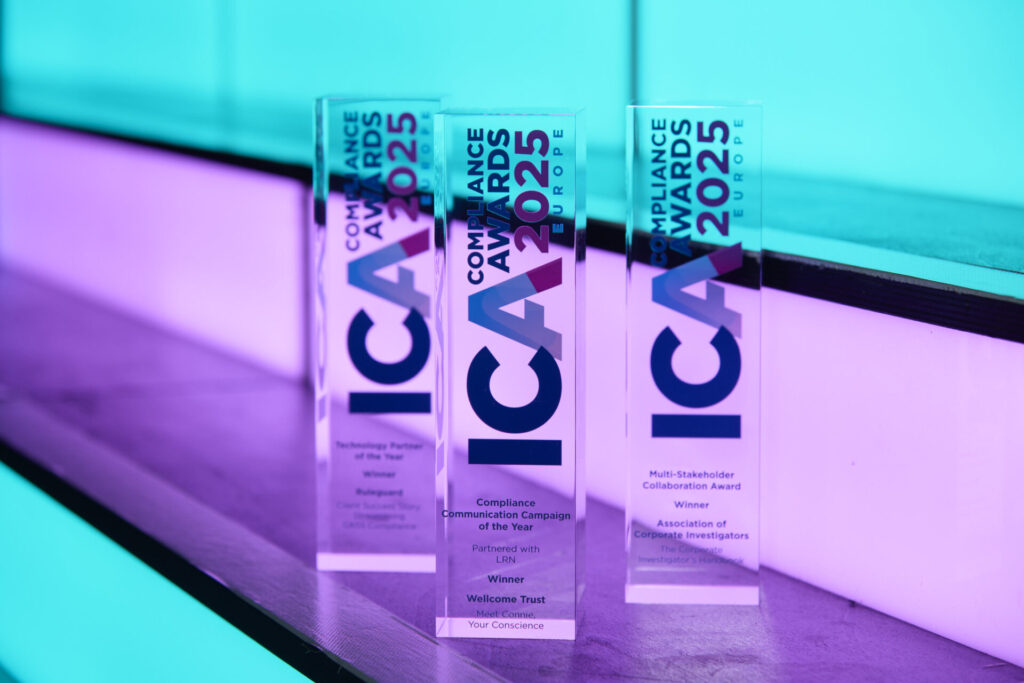
ACi wins Multi Stakeholder Collaboration Award

We are delighted to announce that we have won the International Compliance Association’s 2025 Multi-Stakeholder Collaboration Award. The presentation took place at the ICA Awards Dinner in London on 27th June. We would like to acknowledge our fellow shortlist finalists, Calathea Solutions, Clue software and the NHS Counter Fraud Authority, ECPA and Tenet.

Our CEO, Steve Young, said โ€˜This award is recognition of a multi-stakeholder collaboration with over 50 corporate investigations practitioners to author and produce the ACi Corporate Investigators Handbook (1st Edition) in association with our publisher, Global Investigations Review. I would like to acknowledge our editor, Barry Ellis, and Ashu Sharma our global head of projects and advisory for putting forward the ACi  submission against such prestigious competition. I add my congratulations to the shortlisted finalists. The ACi continues to serve the global corporate investigations community, and this award is further recognition of that mission. My final word goes to the amazing ACi Executive Committee and staff whose passion for the association knows no boundsโ€™.

The ACi Corporate Investigators Handbook (1st Edition) is free to download at https://globalinvestigationsreview.com/guide/the-aci-corporate-investigators-handbook-in-association-gir/first-edition or to buy the hardback edition visit the ACi website https://my-aci.com/.

Categories
Uncategorised

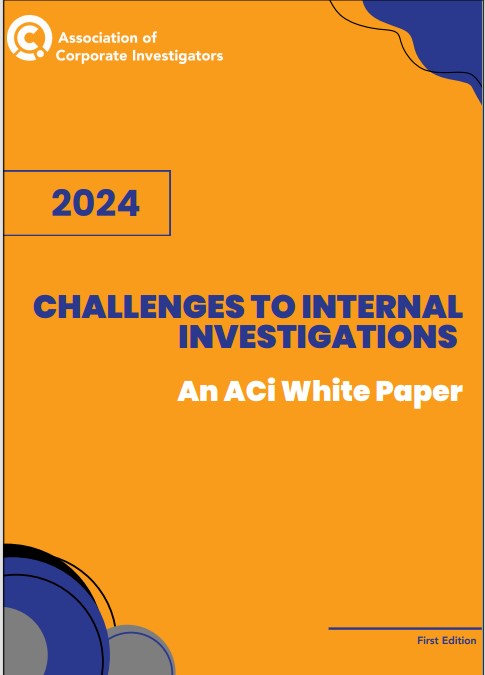
2024 Report: Challenges to Investigations

Access to Data is the biggest internal challenge investigators face according to a white paper published today by the ACi.

“From navigating legal and ethical constraints to overcoming internal resistance and resource limitations, corporate investigators must be adept at handling a myriad of obstacles,” says Ash Sharma who authored the paper. “By understanding these challenges, organisations can better support their investigative teams and enhance their overall effectiveness.”

The ACi has published the paper ahead of its annual event, The ACi Symposium, which takes place at Evelyn Partners in London on 21st November.

Read the paper here.

Categories
News

Confide Forges Strategic Alliance with ACi to Elevate Industry Standards

Partnership with ACi’s Extensive Network to Enhance Confide’s Market Position and Product Offerings

London, United Kingdom

5 February 2024

Confide, the revolutionary governance, risk, and integrity platform founded by Wirecard whistleblower, Pav Gill, announces a strategic collaboration with the Association of Corporate Investigators (ACi). This alliance positions Confide at the forefront of industry innovation, harnessing ACi’s vast member expertise to significantly enhance its product offerings.

The collaboration with ACi, with its network of seasoned corporate investigators, opens new avenues for Confide to refine and tailor its solutions. By tapping into the deep well of ACi’s practical knowledge and experience, Confide will dramatically improve the functionality and relevance of its products, addressing the current market’s unmet needs.

Pav Gill, CEO & Founder of Confide, states, “Partnering with ACi is a game-changer for us. Besides being an industry-first, it provides an unparalleled opportunity to leverage their extensive network and insights, enabling Confide to revolutionise our offerings and better serve the investigative community and beyond.”

Ashu Sharma, Head of the Advisory Panel at ACi, adds, “Our members’ expertise combined with Confide’s innovative approach will undoubtedly lead to superior products that redefine industry benchmarks. Our joint efforts will drive unprecedented innovation and excellence in the services we provide to our members and the industry at large.โ€

Through this partnership, Confide aims to not only enhance its existing solutions but also to ideate new, cutting-edge tools that align with the real-world challenges and complexities faced by corporate investigators.

This strategic collaboration with ACi signifies a major leap for Confide in its mission to lead and transform the corporate investigation landscape through collaborative innovation and expertise-driven product development.

Categories
News

Banking Investigators Forum

Ashurst was delighted to host the ACi Banking Investigators Forum on 5th October 2023. We enjoyed insightful discussions between banking investigators and key industry figures to analyse the evolving regulatory challenges and economic pressures experienced by banks. A short summary of key takeaways from these sessions is available here for download, which features a number of the thematic issues identified.ย 

Categories
Members News Research

Member survey 2023

This June we are reaching out to members to see if they’d like to get more involved with building the ACi. As you’re aware, the Executive Committee at ACi are all volunteers, who have full-time in-house investigations roles. The popularity of the Association means we are always on the lookout for subject matter experts who are willing to share knowledge and experience, and for investigations professionals who want to give back to the profession by reaching out to their networks to expand ACi’s mission.


Categories
News

ACi at Relativity Fest London 2023

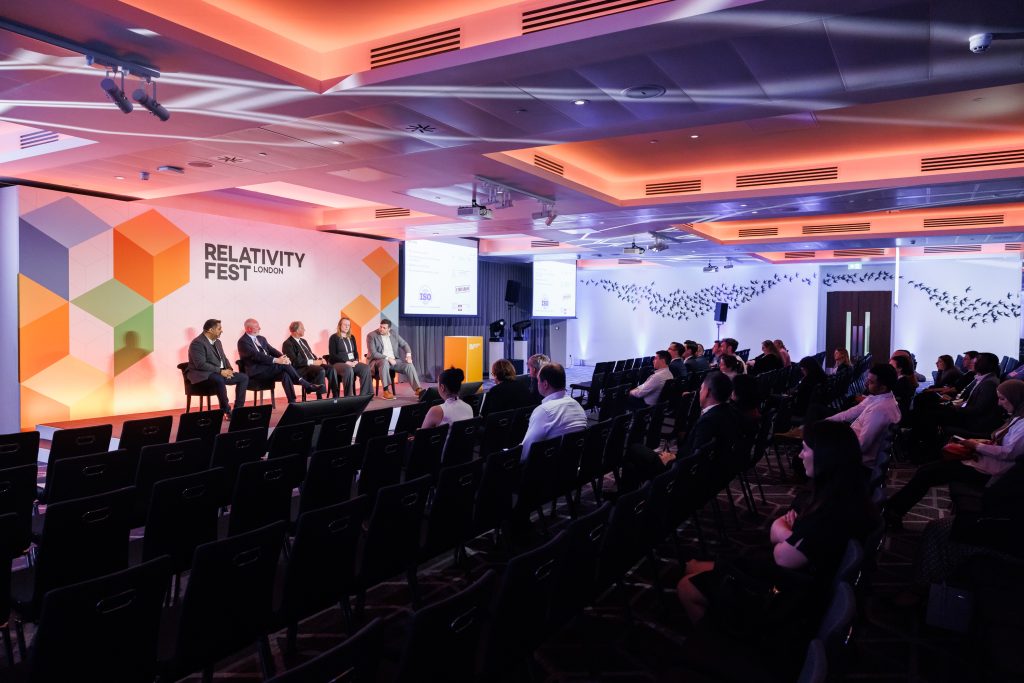
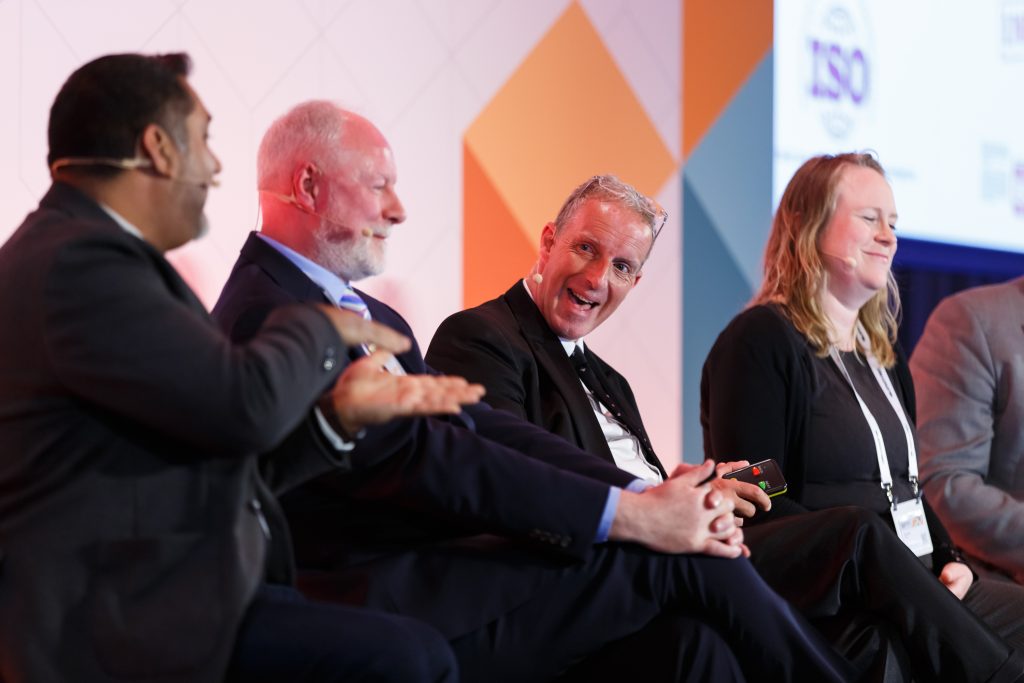
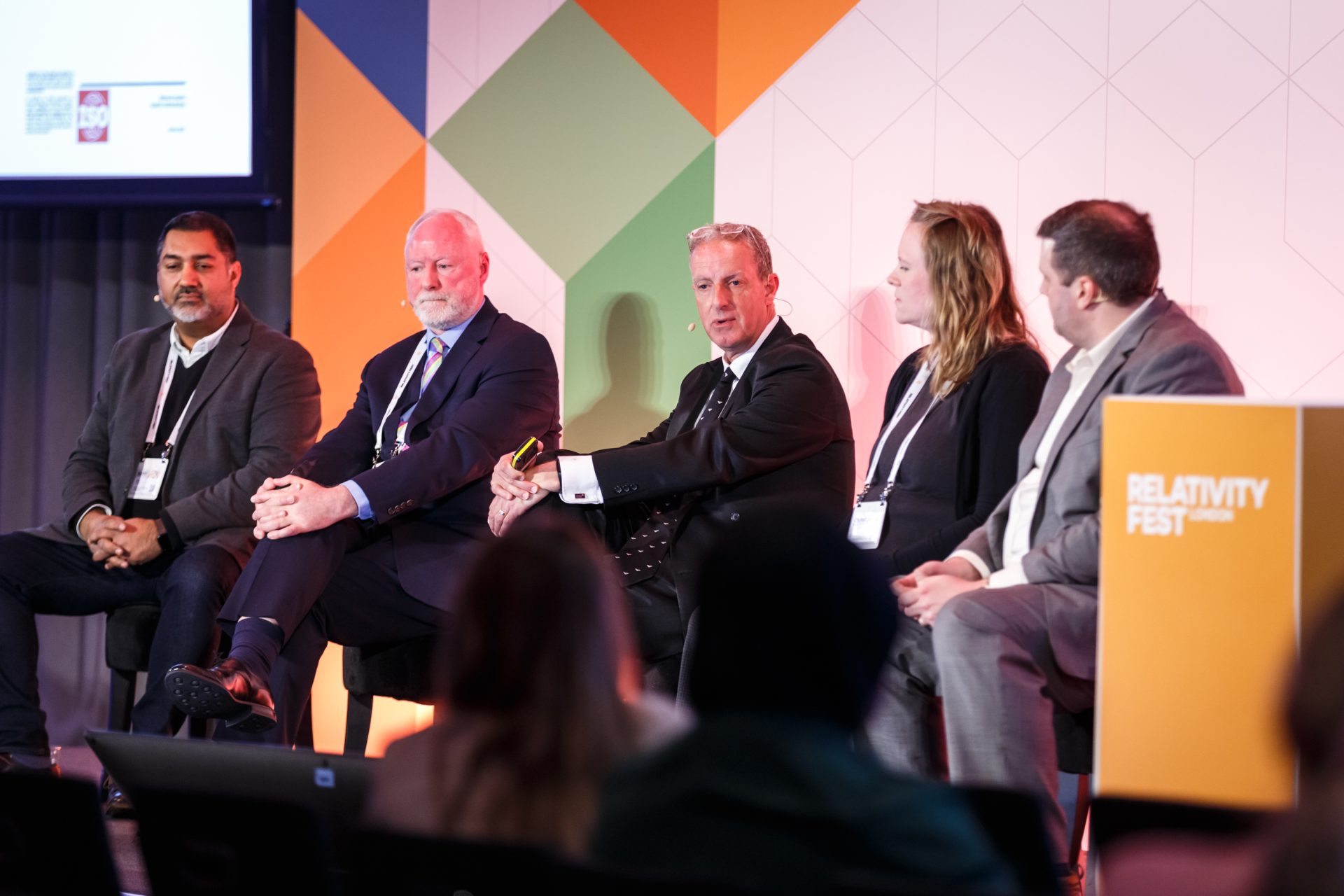
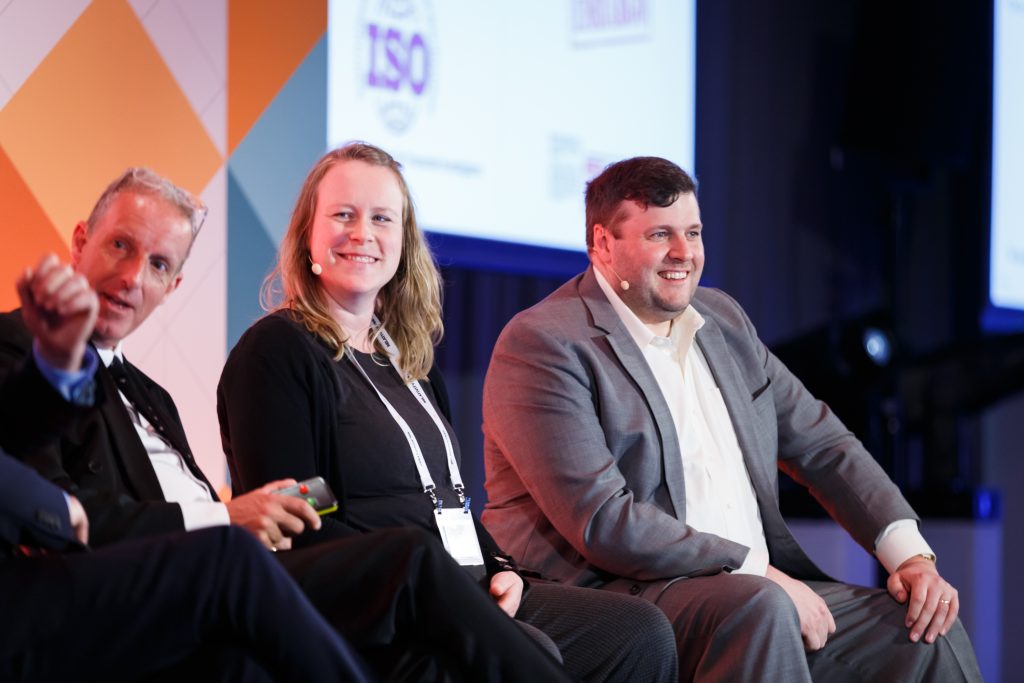
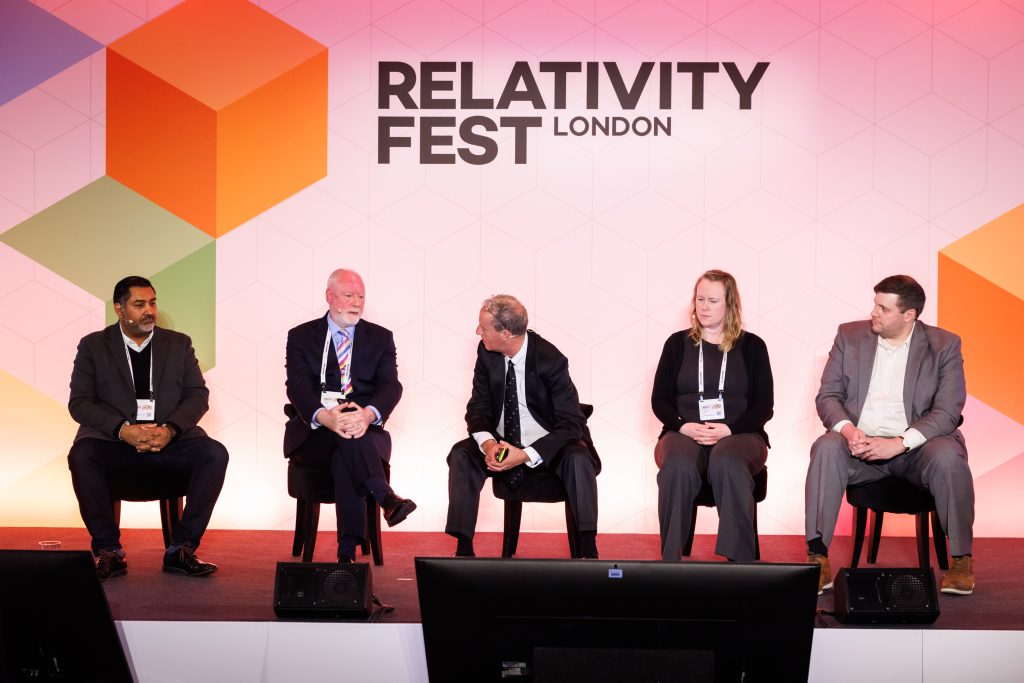
The Association of Corporate Investigators was out in force yesterday atย Relativityย Fest London 2023 as we spoke to a lively audience about our work on the development of the new ISO standard for Internal Investigations.ย Our panel featuredย Steve Young,ย Ashu Sharma (CFE, CFCS),ย Hannah Clare (She/Her),ย William Kelly (CISM, CIPP/US)ย and the moderator wasย Simon Scales.
ย 
The panel explained how the new standard โ€“ ISO 37008 โ€“ will give organisations a guide as to how to do investigations properly. It will give investigators and their teams a source of best practice that is accepted globally, enabling them to have the knowledge and certainty that they are performing investigations to internationally accepted standards.
ย 
The panel said they have been working with a cohort of 37 countries to develop the standard, which is expected to be published later in 2023. The panel said that working collaboratively with investigators from around the world has been both interesting and rewarding. There was a standing ovation at the end of the session.

Categories
News

ACi Symposium Round Up

On Thursday, 10th November, ACi held its Symposium event in London, after having missed two years due to Covid19. It was great to bring our investigations community back together for a day of learning, networking and sharing experiences. This year, we were kindly hosted by Allen & Overy at its London offices offering fantastic views of the city.

Our expert speakers included:

(Event moderator) Simon Scales, ACi ExCo
(Co-Host) Eve Giles, Allen & Overy
(Co-Host) Steve Young, ACi
Stephen M. Kohn, Kohn, Kohn & Colapinto LLP
Howard Wilkinson, Whistleblower
Mary Eastwood Jones, World Trade Organisation
Tim Roberts, The Risk Advisory Group
Christoph Haid, Schoenherr
Jeffrey Giddings, ACi ExCo
Kieran McPate, Relativity
Benjamin Borsodi, Schellenberg Wittmer
Michael Zimmern, Control Risks
Basha Galvin, ACi
Stephen S., Compass Group
Sarah Henchoz, Allen & Overy
Joanne Taylor, K2 Integrity
Patrick Wellens, ACi ExCo
David Wolfe CPA/CFF, The Global Fund
Sam Tate, RPC
Ray Massie, Epiq
Ashu Sharma (CFE, CFCS), ACi ExCo
Manu Hanspal, Compass Group
Trevor D., Haleon
Amanda Raad, Ropes & Gray LLP
Jonathan Brown, Ankura
Bryn Parry-Jones MBE, Lloyds Bank
Alexander Moss, ACi ExCo
Jules Colborne-Baber, Deloitte
Deirdre Carwood, Deloitte
Polly Sprenger, Addleshaw Goddard
Rebecca Chalkley, Red Lion Chambers

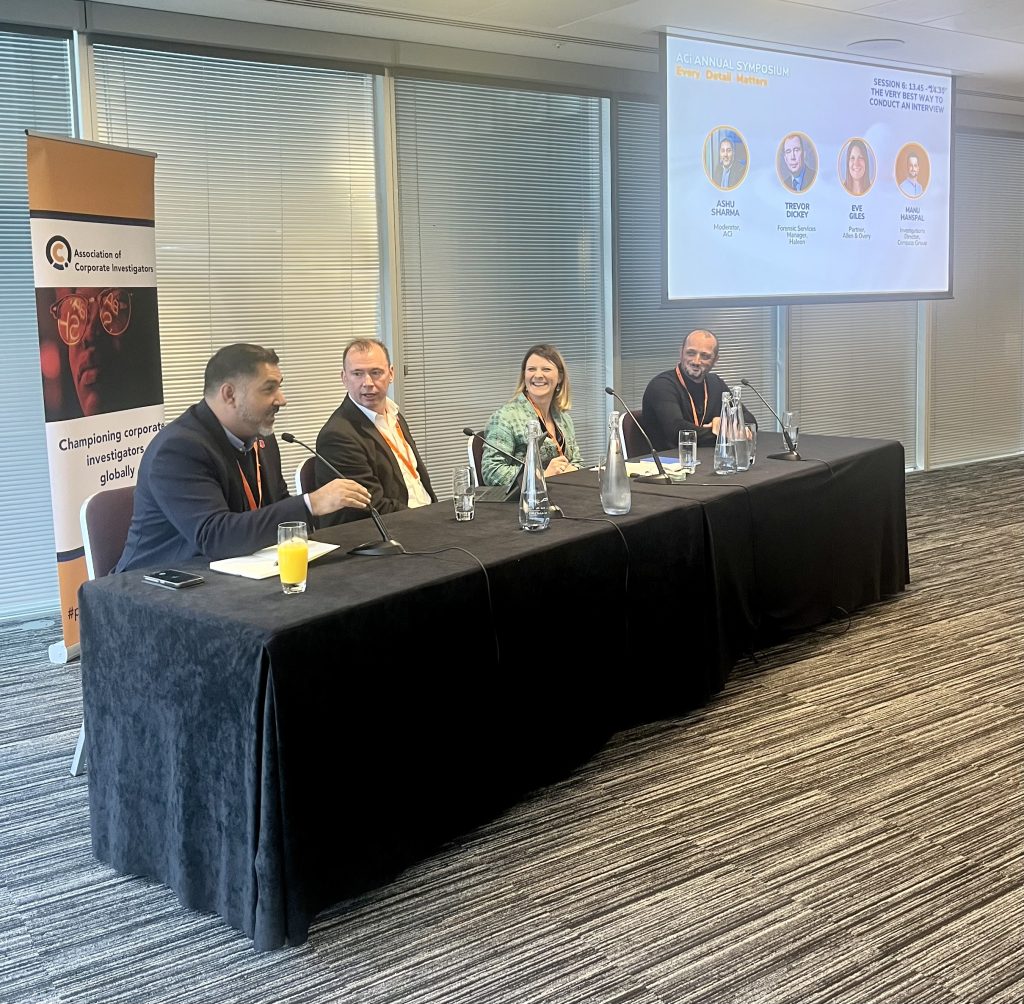
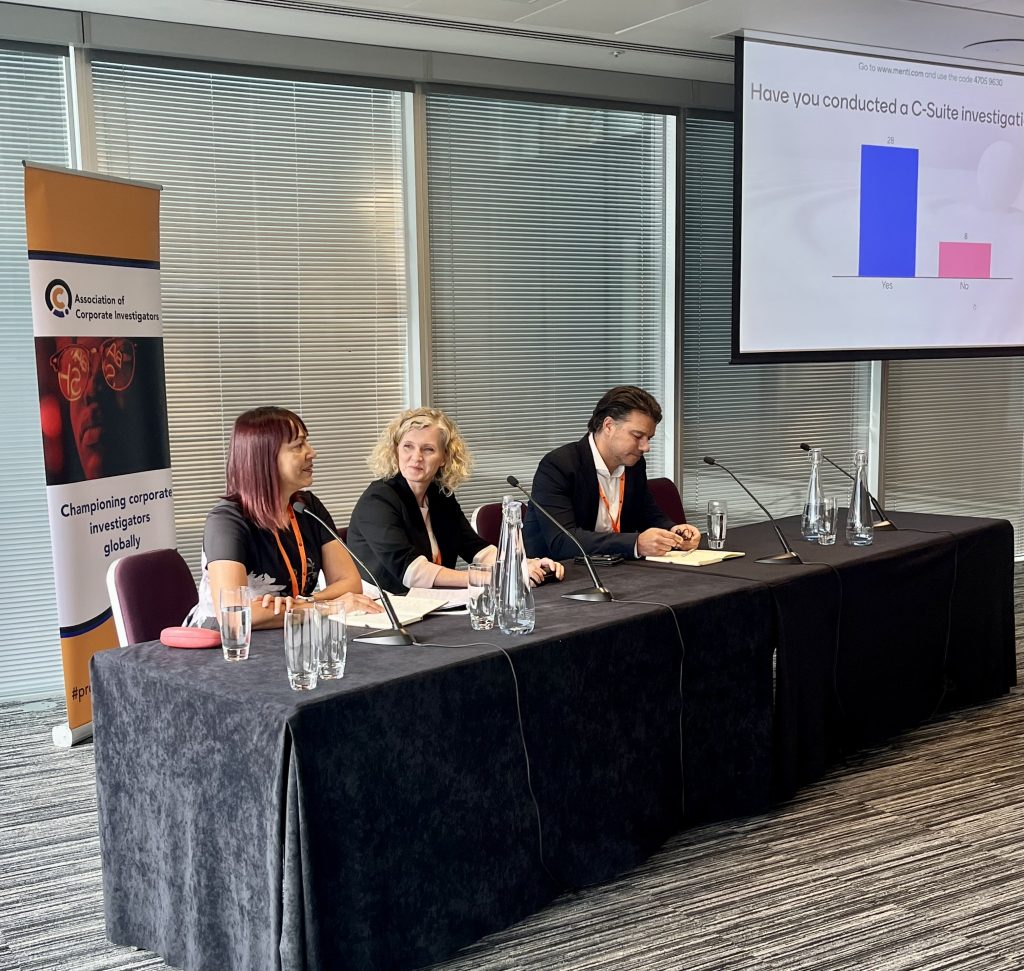
Delegates discussed a range of topical investigations subjects – from the rise in prevalence of ESG investigations to questioning whether the human element of investigations will have disappeared completely in ten years’ time. Delegates also reflected on the challenges posed by C-Suite investigations and shared best practices for conducting interviews.

Once again, our MC Simon Scales had the delegates chuckling away with his engaging and witty moderating style.

Feedback from attendees has been fantastic. Here are just a few comments we received:

“Excellent sessions, great panels, really good quality discussions and well held together by a brilliant Chairman.”

“The most tailored and relevant event for corporate investigators I have been to.”

“…it was warm and authentic. People on panels were not overly corporate and despite the large audience seemed comfortable to discuss ‘warts and all’. Also, no question was deemed off limits.”

You can read our full event programme here. Thank you to everyone involved especially our hosts, Eve Giles and Sarah Henchoz, and the rest of the Allen & Overy team. Thanks also to our sponsors Deloitte, Schoenherr, Addleshaw Goddard, Relativity, Ankura, Control Risks, Epiq, K2Integrity and Risk Advisory.

Finally, a special thanks to our MC Simon Scales, to our panellists, and – not least of all – to the delegates who made it such a worthwhile event.

We look forward to seeing everyone next year.